
- What Portuguese law requires for foreign documents
- Documents that typically need translation for nationality applications
- Mistakes that delay the process by months
- How the certified translation process works in practice
- Certified translation with M21Global
- Related Services
- Frequently Asked Questions
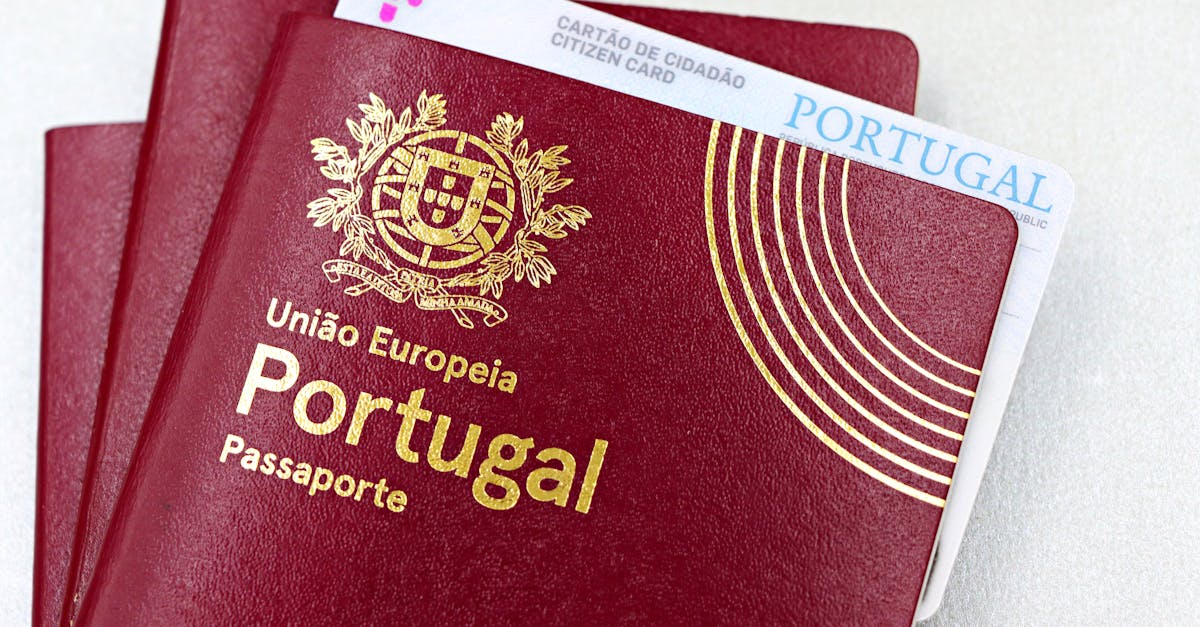
A Portuguese nationality application can stall for months because of a mistranslated birth certificate or a missing stamp. Birth certificates, marriage certificates, criminal record certificates and residence documents issued abroad are only accepted in Portugal when accompanied by a certified translation that meets specific rules. Applicants who try to handle this alone often discover the problem too late: the translation itself may be fine, but the format or the sequence of steps is wrong.
What Portuguese law requires for foreign documents
The Portuguese Nationality Act and its implementing regulation require that any document issued outside Portugal be accompanied by a translation whenever it is not already in Portuguese. That translation must be certified, which in Portugal means a specific process: a translator declares before a lawyer registered with the Portuguese Bar Association or before a notary that the translation is faithful to the original, and both sign the certificate attached to the document.
This is different from a plain translation, which has no legal standing for this purpose, and different from sworn translation as it exists in other countries. Portugal has no sworn translator system. The correct term for Portuguese administrative procedures, including nationality applications, is certified translation.
If the original document comes from a country that is party to the Hague Apostille Convention, the foreign certificate needs an apostille before translation, or the translation must include the apostille within the certified page set. For Portuguese documents going the other way, for instance a certificate issued in Portugal needed abroad, the apostille is issued by the Procuradoria-Geral da República, never by a notary or a civil registry office.
Documents that typically need translation for nationality applications
The exact list depends on the legal basis of the application (nationality by origin, by marriage, by naturalisation, by Sephardic descent, among others), but these documents come up most often:
- Full birth certificate, usually required with recent issue date
- Marriage certificate, when the application is based on marriage to a Portuguese citizen
- Criminal record certificate from the country of origin and from any country where the applicant has resided
- Legal residence certificate in Portugal, where applicable
- Identification documents and passports, in certain processes
Each of these needs a complete certified translation, including stamps, seals and marginal notes. A translation that omits a seal or a side note is a common reason for rejection by the Portuguese central civil registry.
Mistakes that delay the process by months
The most frequent mistake is translating only the body text and ignoring elements the registry treats as part of the document, such as consular stamps or legalisation notes. Another is using an outdated birth certificate: many countries accept older versions for other purposes, but Portuguese nationality applications often require a recently issued copy.
Applicants also commonly apostille a document after translation when the correct order is usually the reverse. This depends on the country of origin and the document type, so it is worth confirming the required sequence directly with the Portuguese central civil registry before commissioning the translation.
Those gathering documents based on Portuguese ancestry through grandparents or great-grandparents face another layer of difficulty: old handwritten certificates, sometimes in a language that is no longer the official one of a region that changed sovereignty. This kind of document needs a translator with real experience in historical civil records, not just general fluency.
How the certified translation process works in practice
The typical workflow starts with the original document or a good-quality scan. The translator produces the Portuguese version, which is then signed before a lawyer or notary together with the declaration of fidelity. The resulting certificate is attached to the original and the translation, forming a single package the registry accepts as one unit.
When an apostille is involved, the exact point at which it enters the process varies by country of origin. This is one of the details that generates the most confusion, and it is worth clarifying before commissioning the translation, to avoid repeating the whole process.
Certified translation with M21Global
M21Global has worked for more than 20 years on certified translation for legal procedures in Portugal, including nationality, civil registry and court documents. The team knows the specific requirements of the Portuguese central civil registry and AIMA, and can identify when a document needs an apostille before or after translation. These projects follow M21Global's legal translation service, with certification carried out before a lawyer registered with the Portuguese Bar Association.
For related court document needs, see the article on sworn translation for court documents. Request a quote now for the certified translation of your nationality application documents and receive a response within three business hours.
Related Services
Request a free legal translation quote
- Request a free legal translation quote
- Certified Legal Translation Services
- Sworn Translation For Court Documents
- Legal Translation Services For Contracts
Frequently Asked Questions
Do I need a sworn translation for a Portuguese nationality application?
No. Portugal has no sworn translation system. The law requires certified translation, authenticated by a lawyer registered with the Portuguese Bar Association or by a notary.
Does my foreign birth certificate need an apostille for the nationality application?
In most cases yes, if the country of origin is party to the Hague Apostille Convention. The order between apostille and translation varies by country, so it should be confirmed with the Portuguese central civil registry before starting the process.
Which documents need certified translation for a nationality application?
Typically a birth certificate, marriage certificate when applicable, criminal record certificate and residence certificate, including all stamps and marginal notes from the original.
How long does certified translation take for nationality documents?
Timing depends on volume, language pair and extra steps such as apostille or legalisation. M21Global provides a detailed quote within three business hours.