- What the SmPC and Package Leaflet Require from a Translation
- Regulatory Requirements That Directly Affect Translation Quality
- Common Translation Mistakes That Delay Approvals
- The Right Process for Regulatory-Grade Translation
- SmPC and Package Leaflet Translation with M21Global
- Related Services
- Frequently Asked Questions
Regulatory submissions for marketing authorisation in Portugal require precise, compliant translations of the Summary of Product Characteristics (SmPC) and the Package Leaflet (PL). These are not standard translation jobs. They require pharmaceutical expertise, familiarity with the EMA's QRD Template, and a controlled quality process that can withstand regulatory scrutiny.
What the SmPC and Package Leaflet Require from a Translation
The SmPC is the reference document for healthcare professionals. It covers therapeutic indications, posology, contraindications, drug interactions, and the safety profile. The Package Leaflet is addressed to the patient and must be written in plain, accessible language without sacrificing scientific accuracy. Both documents are assessed by the competent authority before approval, and both must follow the EMA's QRD (Quality Review of Documents) Template precisely.
For national procedures managed by INFARMED, the SmPC and PL must be submitted in European Portuguese. For centralised, mutual recognition, or decentralised procedures where Portugal is a Reference Member State or Concerned Member State, the approved Portuguese version of the PL must be included in the final dossier alongside the English working documents.
The language requirements for the patient-facing leaflet are particularly demanding. EMA readability guidelines require that the PL be tested with real patients. A translation that works linguistically but drifts into clinical register will fail that test.
Regulatory Requirements That Directly Affect Translation Quality
Several specific requirements shape how SmPC and PL translations must be handled:
- QRD Template compliance: Section numbering, standardised headings, bullet formatting, and spacing follow strict rules. Deviations are not cosmetic issues — they generate formal requests for clarification during the procedure.
- MedDRA terminology: Adverse reactions must use the preferred terms from the Portuguese MedDRA hierarchy, not free translations of the English source terms. An unapproved synonym requires correction and resubmission.
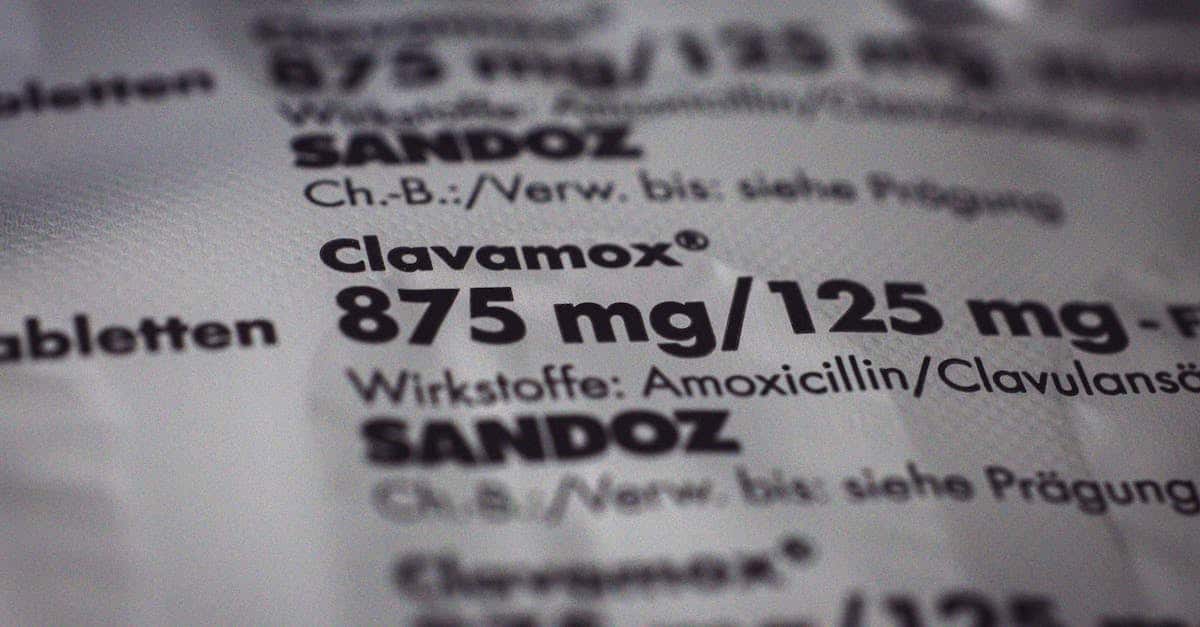
- INN consistency: Active substance names must match the International Nonproprietary Names published by the WHO. Generic or trade names cannot be substituted without explicit approval.
- Internal consistency: The SmPC and PL must be terminologically coherent with each other. Any divergence between the two documents is flagged in regulatory review.
For centralised procedure products, translation takes place after the CHMP opinion and before the formal European Commission decision. The window is short, and the quality bar is high.
Common Translation Mistakes That Delay Approvals
Translation providers without pharmaceutical regulatory experience make predictable errors. The consequences are real: Day 120 Lists of Questions, requests for correction, and delayed approval decisions.
The most common problems:
- Non-standard adverse reaction terms: Translating MedDRA preferred terms by general linguistic equivalence rather than by reference to the validated Portuguese MedDRA list.
- Terminological inconsistency between SmPC and PL: This happens when the two documents are translated independently without a shared glossary. Regulatory reviewers compare the two documents directly.
- Outdated QRD Template: The EMA revises the QRD Template periodically. A translation produced against an older version may not meet the structural requirements current at the date of submission.
- Formatting errors: Section numbers, sub-bullets, and heading styles have defined formats in the QRD Template. A translation that reproduces the source document's structure without applying the template correctly will require revision.
For companies managing complex regulatory portfolios, the same discipline applies to the broader documentation chain. The challenges involved in translating drug labelling overlap significantly with those of the SmPC and PL, though the latter involve greater clinical depth and length.
The Right Process for Regulatory-Grade Translation
A translation submitted to INFARMED or the EMA requires a structured quality process, not a standard translation workflow. The steps that matter:
- Specialist translator: The translator must have training in pharmaceutical or biomedical sciences and working knowledge of MedDRA PT, IATE, and the EMA's eEMC database.
- Independent revision: A second specialist reviewer checks the translation for terminological accuracy, QRD Template compliance, and internal consistency with related documents in the dossier.
- Documentary quality control: Verification that the QRD Template version is current, section structure matches the template, and formatting meets EMA requirements.
- Translation memory and glossary management: For companies with ongoing regulatory activity, maintaining product-specific translation memories reduces time and cost for variations, renewals, and post-approval updates.
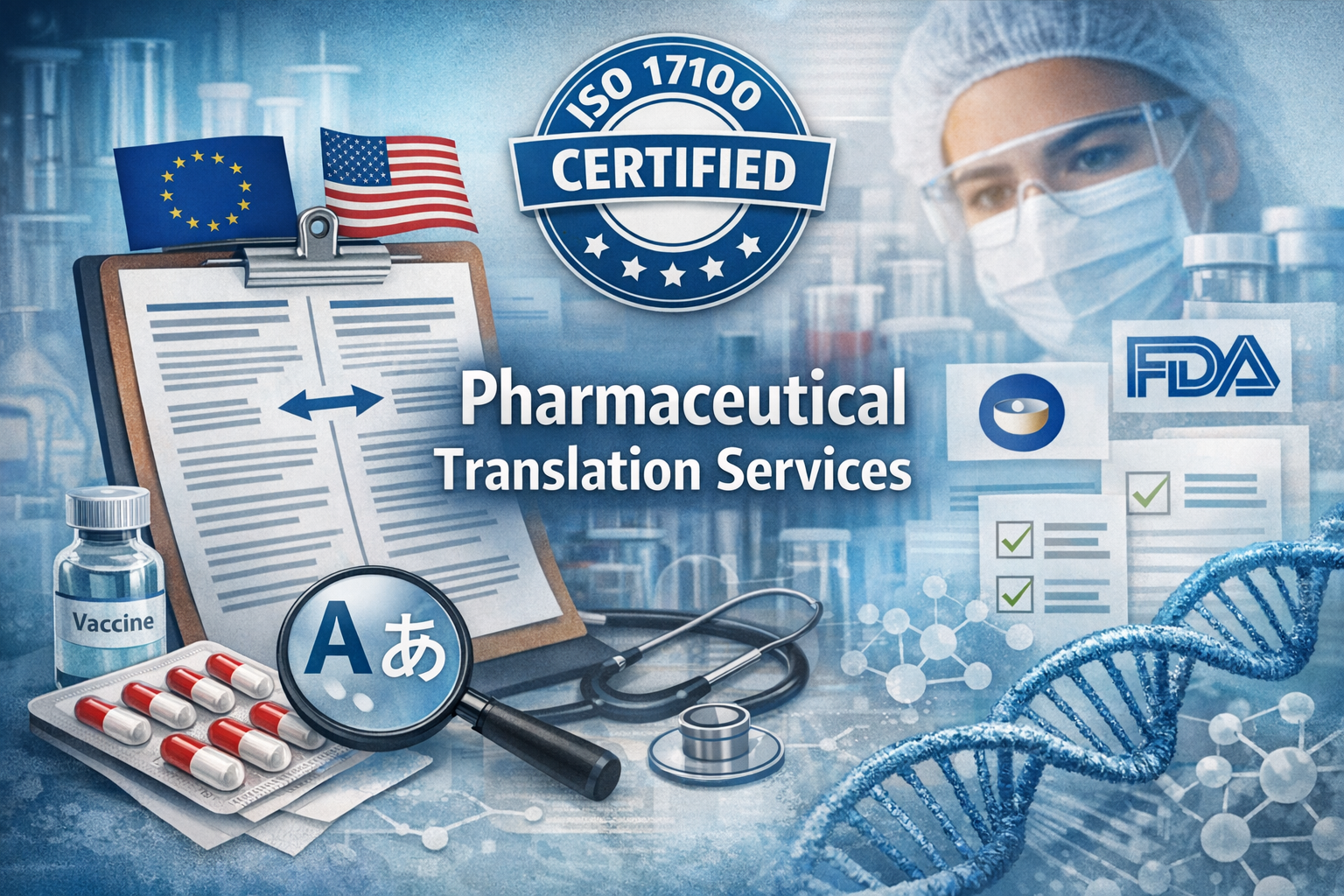
This process aligns with the requirements of ISO 17100:2015, which sets out the minimum competence requirements for translators and mandates independent revision as part of the production workflow. Providers working with clinical trial documentation for regulatory authorities understand the standard expected at this level.
SmPC and Package Leaflet Translation with M21Global
M21Global works with pharmaceutical companies, CROs, and regulatory affairs consultancies on SmPC and PL translation for INFARMED and EMA submissions. The process is ISO 17100:2015 certified, includes mandatory specialist revision, and applies documentary quality control against the current QRD Template. Product-specific glossaries and translation memories are maintained across the product lifecycle, ensuring consistency through variations and renewals. Visit the M21Global pharmaceutical translation service page and request a quote for your SmPC or Package Leaflet project.
Related Services
Request a free medical translation quote