A manufacturer of boilers or pressure vessels who wants to place a product on the European market faces one non-negotiable requirement: all technical documentation, instructions for use and declaration of conformity must be in the official language of the destination member state. Directive 2014/68/EU, known as PED (Pressure Equipment Directive), leaves no room for interpretation here. Without the correct translation, the equipment cannot be legally sold, regardless of how well it meets technical safety requirements.
This is not a minor administrative formality. Notified bodies and market surveillance authorities reject incomplete or poorly translated documentation, and that delays certification, delivery and invoicing.
What PED requires in terms of translated documentation
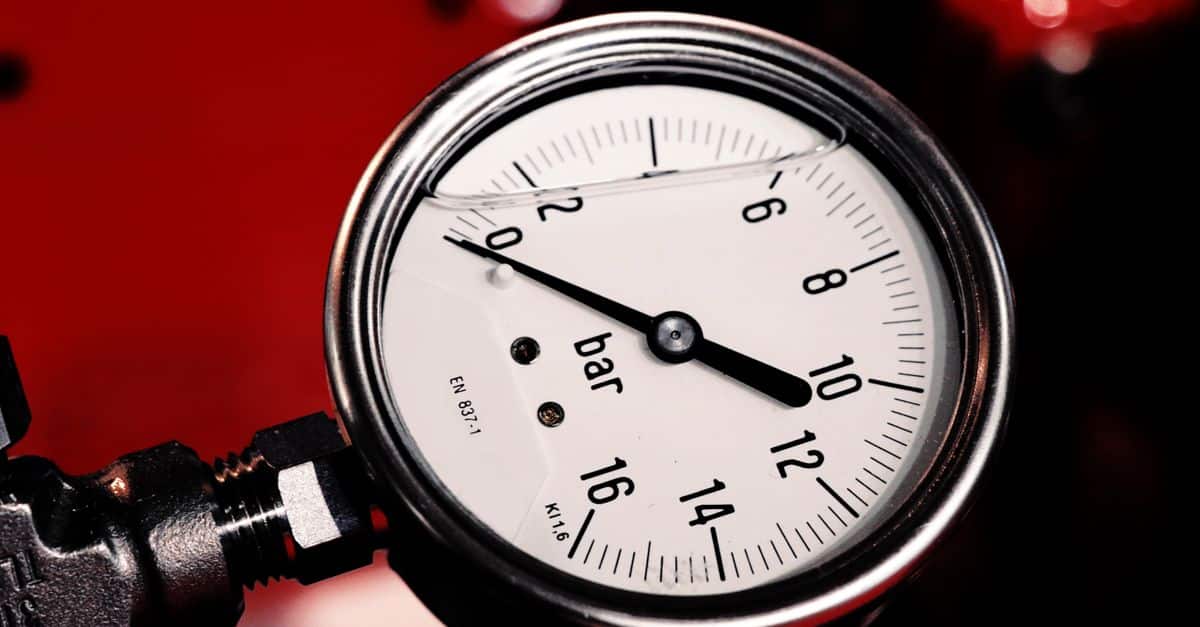
The directive applies to pressure equipment with a PS above 0.5 bar: boilers, vessels, piping, safety devices and pressure accessories. For each risk category (I to IV, as set out in Annex II), the manufacturer must provide:
- Instructions for use, covering assembly, operation, maintenance and safety conditions
- EU declaration of conformity, referencing the harmonised standards applied
- CE marking and, where applicable, the notified body's identification number
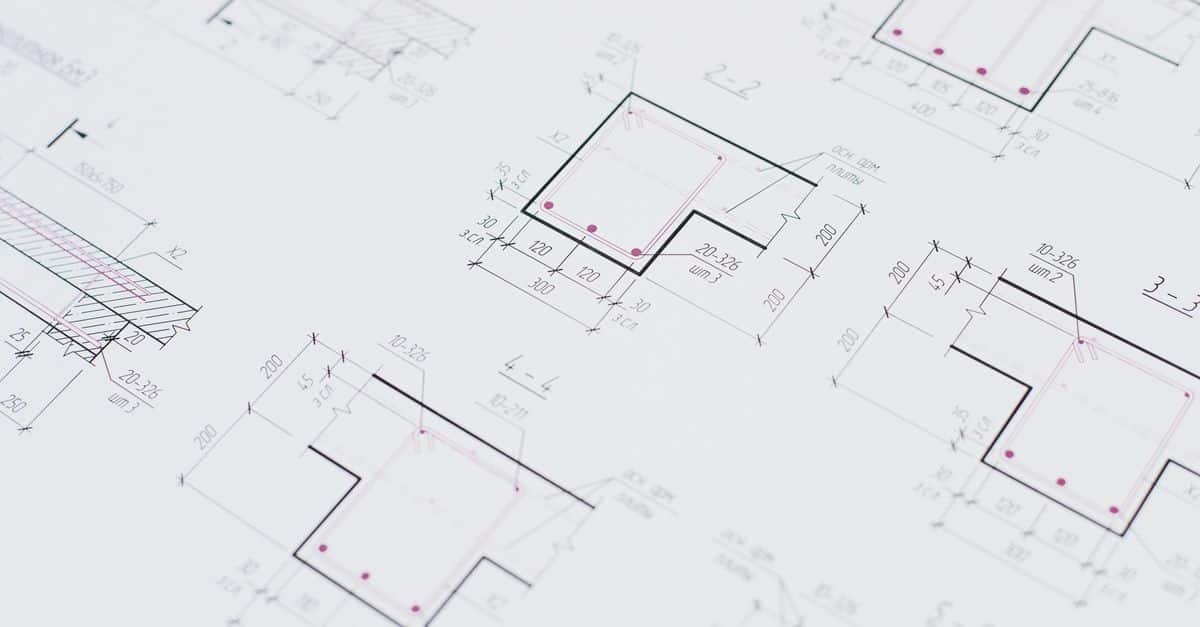
- Supporting technical documentation, including design calculations, material specifications and test results, which must be available to the competent authority
Article 19 and Annex I, section 3.4, of the directive require that instructions accompany the product in the official language or languages of the member state where it is placed on the market or put into service. A German manufacturer exporting an industrial boiler to Portugal needs the translation into Portuguese, regardless of the language used in the original certification.
Technical terminology that leaves no room for error
PED documentation sits at the intersection of mechanical engineering, safety standards and regulatory legal language. A terminology error at that intersection has real consequences.
Some terms need particular care:
| Original term | Correct usage | Common mistake |
|---|---|---|
| Pressure Equipment | Pressure equipment | Confusing with "pressurised equipment" |
| Notified Body | Notified body | Inconsistent capitalisation across documents |
| Conformity Assessment | Conformity assessment | Mixing up with "compliance assessment" |
| Safety Accessory | Safety accessory | Not distinguishing from "pressure accessory" |
| Permissible Maximum Pressure (PS) | Maximum allowable pressure | Confusing PS with operating pressure |
The harmonised standards referenced in PED documentation, such as the EN 13445 series for vessels and EN 12952 and EN 12953 for boilers, carry their own established terminology. A translator without sector experience tends to translate literally, which creates inconsistency with the terminology already used across engineering manuals and transposed national standards.
The same logic applies to translating industrial maintenance manuals, where terminology precision determines whether a technician carries out a procedure correctly.
Choosing the right translation tier for each document
Not all PED documentation carries the same legal weight, and that should drive the service level chosen.
EU declaration of conformity and documentation for the notified body demand the most rigorous level available. Any ambiguity can be read as non-conformity. For this kind of content, the translation needs to go through translation, review by a second linguist and final quality control, which matches what M21Global offers at the Estratégica tier, with an audited ISO 17100 workflow and a 0% expected error rate.
Instructions for use and high-volume technical manuals, particularly when there are multiple product variants or frequent updates, can be handled at the Standard tier, which follows ISO 18587: M21Global's own machine translation engine, full post-editing by a qualified linguist, and quality control by the project manager. This is a solid option for operational documentation that does not require formal ISO 17100 certification.
Supporting technical documentation and internal reference material, such as preliminary reports or parts catalogues, can justify the IAH+ tier, with AI translation and selective human review on the segments most prone to error.
Getting the tier wrong costs more than the price difference. A terminology error in a pressure boiler's instructions for use is not a style issue. It is a documented safety risk and grounds for rejection by the notified body or the market surveillance authority.
How M21Global handles regulated technical documentation
M21Global has worked in technical translation for more than 20 years, holding ISO 17100:2015 certification audited by Bureau Veritas and ISO 18587 certification for machine translation post-editing. We have translated more than 445 million words across regulated sectors, including industrial engineering and pressure equipment, where terminology must match harmonised standards and destination-country legislation exactly.
Anyone who has managed a regulated technical documentation project knows that terminology consistency between the declaration of conformity, the instructions for use and the technical data sheet is not optional. We work with dedicated technical glossaries and translation memories specific to each client and product line, which keeps that consistency intact even on high-volume projects. See how we apply the same rigour in technical document translation and user manual translation across other regulated sectors.
Request a quote for your PED documentation and get a response within three business hours.
Related Services
Request a free technical translation quote
- Request a free technical translation quote
- Translating Industrial Maintenance Manuals English Spanish
- Technical Document Translation Company
- User Manual Translation Services
Frequently Asked Questions
Does PED documentation need to be translated into every EU language?
No. Translation is required into the official language or languages of the member state where the equipment is placed on the market or put into service, as set out in Article 19 and Annex I of Directive 2014/68/EU, not into every EU language.
Who should translate technical documentation for the PED directive?
It should be a linguist with proven experience in mechanical engineering and safety standards translation, ideally supported by a sector-specific glossary, to ensure consistency with applied harmonised standards such as the EN 13445 series.
Does the EU declaration of conformity need certified translation?
The directive requires translation into the destination member state's language, but does not require legal certification such as translation certified by a lawyer or notary. The core requirement is terminological accuracy and consistency with the supporting technical documentation.
What happens if the instructions for use contain translation errors?
It can lead to rejection by the notified body, delays to CE certification, and in serious cases represents a documented safety risk that can result in the product being withdrawn from the market by the surveillance authority.