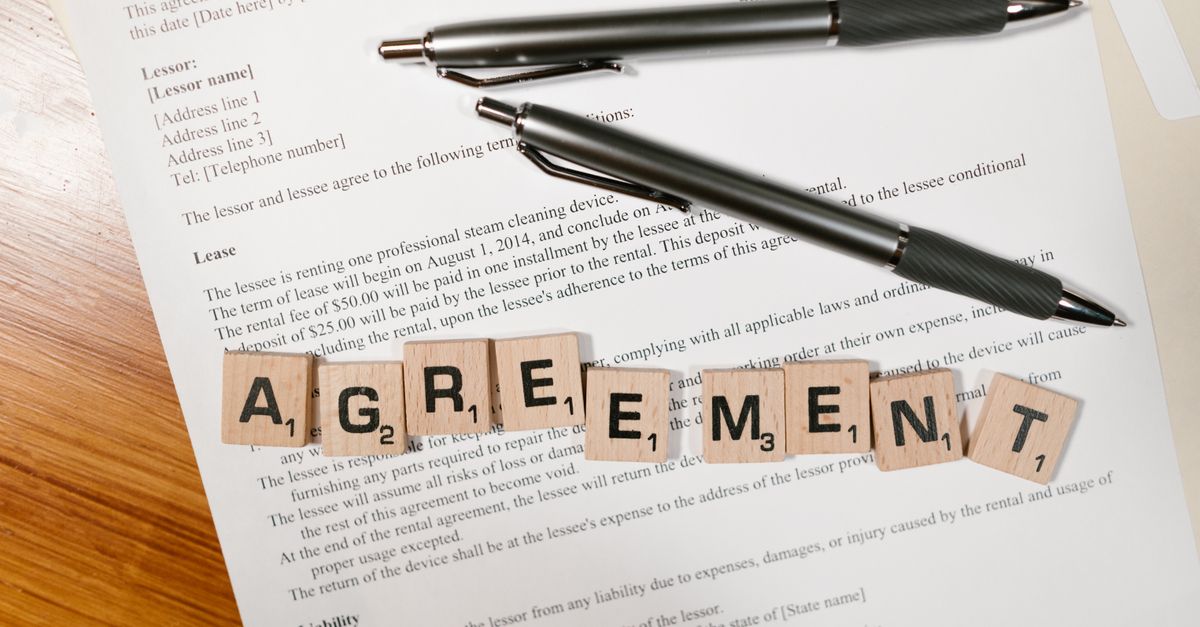

A nurse trained outside the UK who wants to register with the Nursing and Midwifery Council (NMC) has to submit academic and professional records in English. Every diploma, transcript and professional conduct certificate has to reach the NMC translated to a standard the council will actually accept. A rejected translation does not just cause a paperwork delay: it pushes back the date the applicant can legally start working.
The NMC does not accept any translation submitted with a foreign document. It requires a translation completed by a certified translator, accompanied by a signed statement of accuracy, the translator's or agency's contact details, and often an official stamp or seal. Translations done by the applicant, a bilingual relative, or an uncertified agency are routinely rejected, which forces the whole submission to be redone.
Which documents the NMC requires translated
The NMC registration route for internationally educated nurses (via the Overseas Registration process, and later the CBT and OSCE stages for those already working in the UK) requires a defined set of documents:
- Nursing degree certificate, issued by the higher education institution.
- Diploma supplement or academic transcript, detailing coursework and clinical placement hours.
- Certificate of registration with the applicant's home regulatory body, showing licence number and current status.
- Certificate of current professional status, confirming there are no pending disciplinary proceedings.
- Birth certificate or identity document, when requested for identity verification.
- Name change certificate, if applicable (such as a marriage certificate).
Each document must be translated in full, including stamps, signatures and footnotes. The NMC rejects partial or summarised translations, even when the omitted content seems irrelevant to the application.
Certified translation, not a sworn translation
Applicants from civil law countries often expect a "sworn translation" process, and that expectation causes confusion when preparing a UK application. The UK does not operate a sworn translator system in the same way as Portugal, Spain or Brazil. What the NMC requires is a certified translation: a translation accompanied by a formal statement from the translator or translation company confirming that the text is a complete and accurate rendering of the original.
This statement should normally include:
- The translator's full name and signature.
- The date of translation.
- Verifiable professional contact details (company name, address, phone or email).
- A reference to the translator's qualifications or the company's certification, with ISO 17100 accreditation serving as a recognised marker of quality.
When the same documents move on to other parties in the recognition process, such as an NHS trust or a recruitment agency, an additional certified copy may be requested. It is worth ordering more than one certified copy from the start, to avoid repeat translation requests later in the process. This kind of documentary requirement mirrors what applies to certified legal translation services, where acceptance depends as much on the certification format as on the content itself.
Common mistakes that delay NMC registration
Most delays in NMC registration for overseas-trained nurses come from documentation issues, not from qualification gaps. The most frequent ones:
- Missing statement of accuracy. The NMC returns the file and requests a new translation, adding weeks to the timeline.
- Inconsistent clinical terminology. Course names, specialisations and professional categories need to match the terminology the NMC expects. A translator without healthcare sector experience tends to default to generic terms that trigger clarification requests.
- Omitted stamps or annexes. Foreign certificates often carry marginal notes, notarial stamps and legal references. All of this has to appear in the translation.
- Inconsistent name spelling across documents. If a name on the degree certificate differs slightly from the name on the passport, the NMC may request an explanation, and the translation has to reflect exactly what the original states, without correction or standardisation.
These issues come up repeatedly in other professional documentation contexts, and the resolution logic is similar to what applies in court settings, where terminological precision carries direct legal weight, as covered in sworn translation for court documents.
How M21Global supports NMC applications
M21Global has worked with certified translation for professional and legal purposes for more than 20 years, holding ISO 17100:2015 certification audited by Bureau Veritas. For NMC registration files, the team applies consistent clinical terminology, maintains client-specific glossaries, and issues the statement of accuracy in the format UK regulatory bodies expect.
For applications with a tight deadline or multiple linked documents (degree certificate, transcript, professional body certificates), the Estratégica tier provides independent review and three-stage quality control, reducing the risk of rejection by the NMC. Visit the legal translation page to see how this process applies to professional and regulatory documentation. Request a quote now for certified translation of your nursing qualifications and avoid delays in your NMC registration.
Related Services
Request a free legal translation quote
- Request a free legal translation quote
- Certified Legal Translation Services
- Sworn Translation For Court Documents
- Legal Translation Services For Contracts
Frequently Asked Questions
Does the NMC accept sworn translations from civil law countries?
The NMC does not use the sworn translation concept. It requires a certified translation with a signed statement of accuracy from the translator or translation company, including verifiable contact details.
Which nursing documents need certified translation for the UK?
Typically the nursing degree certificate, academic transcript or diploma supplement, registration certificate with the home regulatory body, and certificate of current professional status, all translated in full including stamps and annexes.
How long does certified translation of nursing documents take?
It depends on the volume of documents and terminology complexity. Complete files with several certificates benefit from a service with dedicated review to avoid rejection by the NMC.
Can a bilingual family member translate documents for the NMC?
No. The NMC requires translations completed by a professional translator or translation company with a formal statement of accuracy, and does not accept translations done by private individuals without certification.